INTRODUCTION
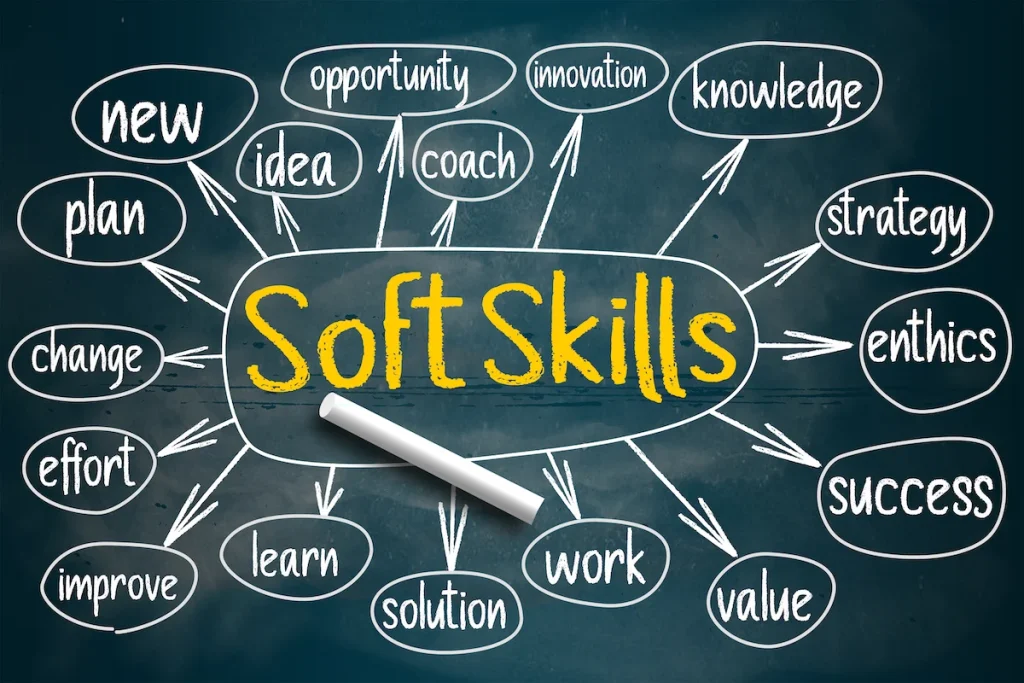
In today’s competitive world, having strong academic knowledge is important, but it’s not enough to stand out. Whether you plan to enter the corporate world, pursue entrepreneurship, or work in finance, your technical skills are only part of the equation. What truly sets you apart from others is your ability to communicate, collaborate, think critically, and adapt to various situations — in other words, your soft skills.
For commerce students in class 11 and 12, soft skills are just as crucial as mastering subjects like Economics, Accountancy, and Business Studies. In fact, the development of these skills can open doors to better career opportunities and personal growth. In this blog, we will explore the importance of soft skills for commerce students and how you can cultivate them to succeed both in academics and in your future career.
What Are Soft Skills?
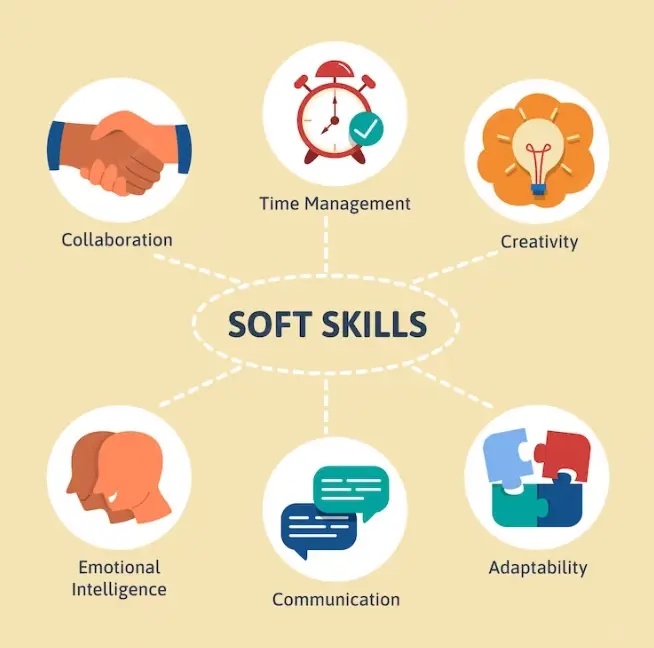
Soft skills refer to personal attributes and qualities that enable you to interact effectively with others, manage yourself, and approach work in a productive and positive way. They are not technical or job-specific but are crucial in any career. Some key soft skills include:
- Communication (both verbal and written)
- Problem-solving
- Teamwork and Collaboration
- Adaptability and Flexibility
- Critical Thinking
- Leadership and Initiative
- Time Management
- Emotional Intelligence
For commerce students, developing these soft skills will help you work better with peers, present ideas effectively, manage your time wisely, and thrive in group projects, all of which will set you up for future success.
Why Soft Skills Matter for Commerce Students

- Enhances Academic Performance: Effective communication skills will help you articulate your ideas clearly in assignments and exams, while teamwork skills will help you collaborate with classmates on projects.
- Job Readiness: Employers today are looking for well-rounded individuals. While technical knowledge is important, they also want employees who can communicate well, solve problems, and work effectively in teams. Soft skills are often the deciding factor in hiring decisions.
- Career Advancement: Soft skills like leadership and emotional intelligence can help you move up the career ladder. Whether you’re leading a project team or navigating client relationships, your ability to manage people and situations will directly impact your professional growth.
- Entrepreneurial Success: If you aspire to start your own business, soft skills such as networking, negotiation, and adaptability will be essential. Entrepreneurship requires more than just financial know-how; it’s about managing people, resources, and challenges effectively.
Top Soft Skills Every Commerce Student Should Develop
1. Communication Skills
Why It Matters: In any career, the ability to convey your ideas clearly and persuasively is critical. Whether you’re writing reports, giving presentations, or participating in group discussions, communication is key.
How to Improve:
- Practice writing essays or reports regularly to improve your writing skills.
- Join debate clubs or engage in discussions to enhance your verbal communication.
- Focus on non-verbal communication, such as body language and tone, during presentations and group activities.
2. Problem-Solving and Critical Thinking
Why It Matters: Commerce subjects like economics, accountancy, and business studies require a lot of analysis and decision-making. Critical thinking will help you understand complex problems and come up with effective solutions.
How to Improve:
- Regularly challenge yourself with real-world case studies and scenario-based exercises.
- Work on solving puzzles, mathematical problems, and logical reasoning tasks.
- Discuss current events or business news and analyze them from a problem-solving perspective.
3. Teamwork and Collaboration
Why It Matters: Much of your work in both academics and professional life will involve working in teams. Effective teamwork ensures that goals are met efficiently and that each member contributes their strengths.
How to Improve:
- Participate in group study sessions or extracurricular activities to experience different team dynamics.
- Learn to delegate tasks and respect others’ opinions during group projects.
- Work on being open to feedback and offering constructive criticism.
4. Adaptability and Flexibility
Why It Matters: The business world is constantly evolving, and as a commerce student, you need to be prepared to adapt to new trends, tools, and technologies. Flexibility allows you to thrive in uncertain or changing situations.
How to Improve:
- Take on new challenges or responsibilities outside your comfort zone.
- Learn about emerging fields such as digital marketing, artificial intelligence in business, and fintech.
- Practice managing your workload and adjusting your plans when unexpected situations arise.
5. Time Management
Why It Matters: As a student balancing multiple subjects, assignments, and exams, time management is critical. It helps you stay organized and ensures you meet deadlines without feeling overwhelmed.
How to Improve:
- Use planners or digital tools to organize your daily, weekly, and monthly tasks.
- Break down large assignments into smaller tasks and set deadlines for each one.
- Prioritize your tasks based on urgency and importance. The Pomodoro technique is a great way to stay focused during study sessions.
6. Leadership and Initiative
Why It Matters: Even as a student, taking the lead on projects or extracurricular activities will help you build confidence and gain valuable experience. Leadership skills are highly sought after in any profession.
How to Improve:
- Take initiative in class by asking questions, offering to lead group discussions, or volunteering for responsibilities.
- Start a club or group project to practice organizing, leading, and motivating others.
- Learn from leaders in your community, whether they are teachers, mentors, or professionals in the field of commerce.
7. Emotional Intelligence (EQ)
Why It Matters: Emotional intelligence is the ability to understand and manage your emotions, as well as the emotions of others. It’s vital for building strong relationships, managing stress, and resolving conflicts, both personally and professionally.
How to Improve:
- Practice mindfulness and stress management techniques to control your emotions during challenging situations.
- Work on listening actively and empathizing with others.
- Reflect on your emotional reactions and learn from your experiences to better understand your triggers and responses.
How to Cultivate Soft Skills as a Commerce Student
Engage in Extracurricular Activities: Join clubs, participate in debates, or take part in group discussions. Activities outside of academics offer a great platform to build communication, teamwork, and leadership skills.
Attend Workshops and Seminars: Many educational institutes offer workshops on topics like public speaking, time management, and emotional intelligence. Participate in these to further hone your skills.
Seek Feedback: Regularly ask for feedback from teachers, mentors, and peers. Feedback will help you identify areas for improvement and give you actionable advice to develop your soft skills.
Read Books and Watch Videos: There are plenty of resources available online and offline that can help you improve your soft skills. Books like How to Win Friends and Influence People by Dale Carnegie or Emotional Intelligence by Daniel Goleman offer valuable insights. TED Talks and online courses are also great tools to enhance soft skills.